Belarus intensifies pressure on exiled journalists by harassing their relatives
 7 August 2026
Over the past two months, the Belarusian Association of Journalists has been receiving regular reports of pressure on the parents, relatives, and even friends and acquaintances of journalists who were forced to flee Belarus.
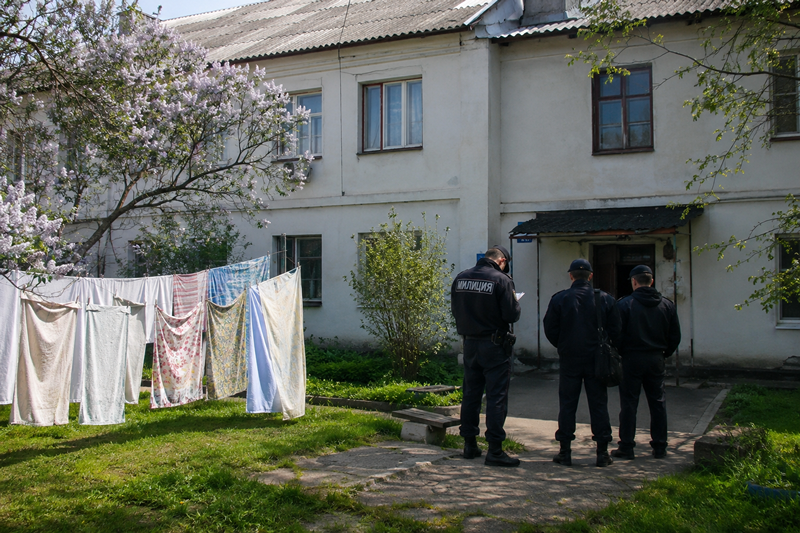
Illustration created by the Belarusian Association of Journalists using ChatGPT
Aleh Aheyeu, BAJ’s deputy chair and a human rights lawyer, explains what this latest wave of persecution reveals and whether there is any way to protect loved ones who remain in the country.
Interrogations, “intimidation meetings,” and forced DNA collection
For the past six years, there have been regular reports of security officers visiting the parents of Belarusian journalists who fled repression in their homeland.
In July 2026, however, the number of such reports increased significantly. A new wave of pressure targeting journalists through their relatives swept across Belarus. Over the past several weeks, human rights defenders have documented at least 15 such cases.
According to information obtained by BAJ, relatives have been visited by officers from various law enforcement agencies, including local police, the KGB, and GUBOPiK (an anti-extremism unit). The stated purpose of these visits is usually to ask about family members who left the country and their current whereabouts. Officers sometimes ask who is officially registered or living at the address. In several cases, they have conducted searches of homes, summoned relatives for questioning, and forced several people to provide saliva samples for DNA analysis.
Aleh Aheyeu stresses that this is not an entirely new phenomenon. Pressure on the families of Belarusians living abroad did not begin this year.
In reality, the persecution has continued uninterrupted since the wave of post-election repression began in 2020. As soon as people started fleeing politically motivated persecution, the Belarusian authorities launched what has become a sustained campaign of cross-border repression.
Today, nearly 100 Belarusian journalists, media workers, and bloggers have been placed on interstate wanted lists, meaning criminal cases have been opened against them in Belarus.
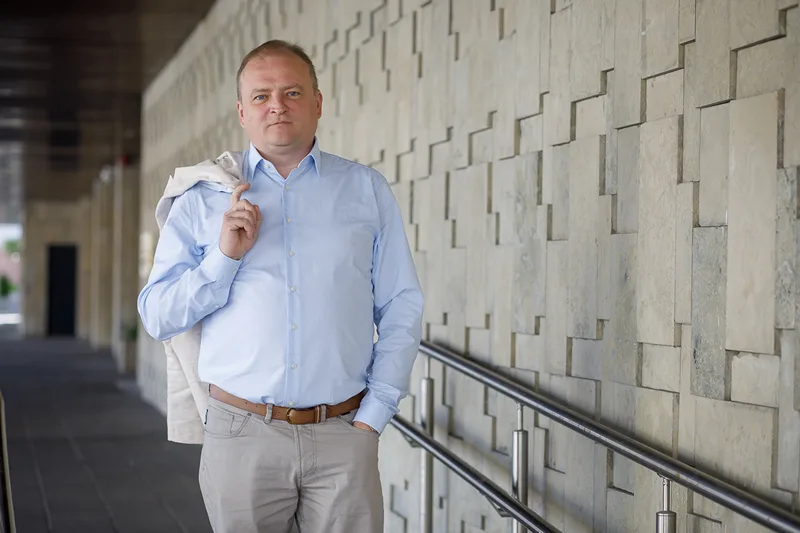
BAJ deputy chairman Aleh Ageyeu. Photo: BAJ
“In the past, police officers or even KGB agents would visit relatives simply to find out where the person had gone. Now we’re seeing new forms of persecution. About a year ago, reports emerged of relatives being forced to provide DNA samples. Why the authorities are collecting this material remains unclear,” the lawyer says.
According to Aheyeu, seemingly routine questions about who is registered at a particular address may simply serve as a pretext to initiate contact. Not all security agencies have access to the same databases, so officers may genuinely be verifying information.
Even so, Aheyeu argues that these seemingly harmless conversations about relatives living abroad constitute a form of intimidation. During such visits, there is no guarantee that a person will not be detained if an officer dislikes their answers, and such cases have already been documented.
“A political campaign and cross-border repression”
Security officers do not limit their visits to people’s homes. They also approach relatives at their workplaces, creating additional risks and pressure. Forcing people to provide genetic material for DNA testing is, Aheyeu says, unlawful.
“This is all politically motivated. It demonstrates that repression in Belarus has not stopped. The authorities resort to these tactics because they feel increasingly insecure about maintaining their grip on power. They are constantly searching for new methods of pressure: criminal prosecutions, torture, forced exile. The conveyor belt of fear, pain, and persecution continues to operate without interruption. This is also a form of cross-border repression,” says the head of BAJ’s Legal Center.
At the same time, Aheyeu notes that there are now virtually no effective mechanisms left to protect those who remain in Belarus. The authorities no longer observe even basic legal constraints. Security forces operate with near-total impunity, leaving virtually anyone in the country vulnerable.
“There are practically no effective legal remedies left in Belarus. Prosecutors’ offices and courts have become instruments of persecution rather than institutions that protect people’s rights.
That is why it is extremely difficult to say that people can defend themselves in this situation. The main recommendation is to do everything possible to minimize the risk of becoming a target of prosecution.”
To reduce those risks, Aheyeu advises against keeping at home any materials that security forces could classify as “extremist.” During interrogations, people should avoid trying to argue with officers or prove them wrong.
Instead, he says, it is important to recognize the situation for what it is: a criminal campaign of repression that people must survive while minimizing the harm to themselves and their families.


 @bajmedia