BAJ study reveals the urgent needs of freed Belarusian journalists
 2 March 2026
A survey conducted by the Belarusian Association of Journalists (BAJ) in February identified the top needs of Belarusian journalists and media workers who were recently released after facing criminal prosecution.
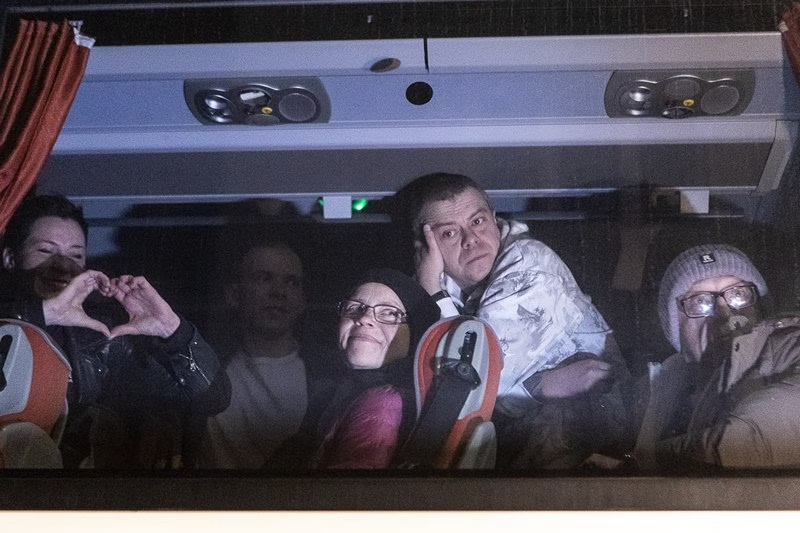
Maryna Zolatava on a bus with other released political prisoners. Photo: Zerkalo
The goal of the survey was to understand the challenges former political prisoners face several months after their release and what kind of support they need — professional, social, psychological, or otherwise. Several dozen journalists who were released in 2024–2025 took part in the survey.
The experience of imprisonment and returning to life in freedom is a long, multi-stage process that does not end within the first two or three months after release. It is during this initial period that former political prisoners typically receive the most attention and support. However, colleagues need continued support in the months that follow just as much.
The Belarusian Association of Journalists has adhered to this position since 2020.
Top needs after release: Housing, medical care, legal documents
Here are the issues journalists identified as most important after their release:
- Rent payment support
- Medical consultations and treatment
- Regularization of stay (consultations and assistance with paperwork)
- Equipment (computer, phone)
- Psychological support
Additional needs include access to employment and professional fulfillment; “staying in the profession”; learning a foreign language; and obtaining a driver’s license. Even when some of these additional needs do not appear widespread, they are often crucial for the long-term stability of formerly imprisoned journalists.
Given the context of imprisonment and forced migration, the need for psychological support may have been underestimated by respondents and requires proactive outreach, BAJ experts believe.
Professional reintegration: Key factor in long-term stability
The survey results show that assistance should not be limited to basic humanitarian support. People want — and are ready — to resume an active professional role.
The most in-demand professional activity formats (respondents could select multiple options) were:
- Writing a book — 57.1%
- Freelance journalism — 52.4%
- Returning to work in media — 47.6%
- Blogging — 38.1%
- Launching independent journalism/photo/video projects — 28.6%
To resume their professional careers, respondents said they need fellowships and grants (66.7%), foreign language study (66.7%), educational programs including AI-related training (52.4%), digital security training (33.3%), business consulting (28%), and legal consultations.
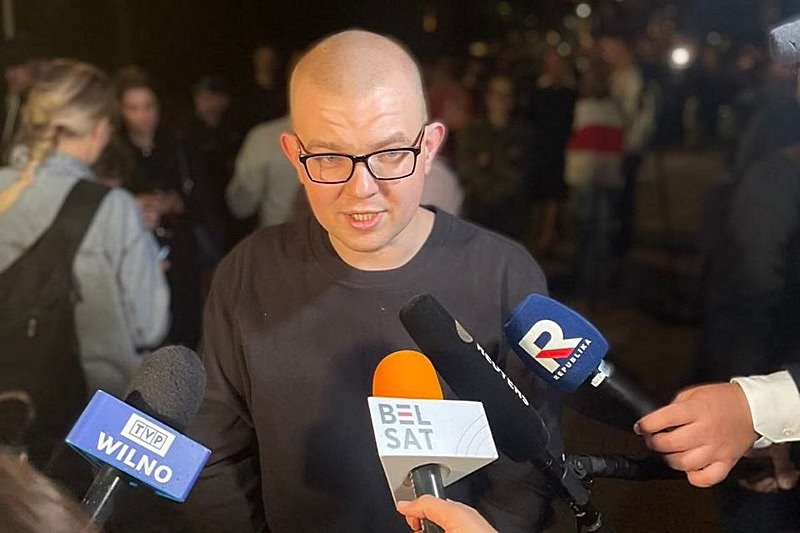
Blogger Pavel Vinahradau after his release. Vilnius, September 11, 2025. Photo: Pozirk
Conclusions
The survey results confirmed BAJ’s previously adopted view on the need for long-term, comprehensive support for prisoners after their release: a systemic approach that combines meeting basic needs, medical and psychological rehabilitation, and investment in the long-term resilience of those who have regained their freedom.
If you represent a foundation or supporting organization and would like to receive the full text of the study, please contact us at office [at] baj.media


 @bajmedia
Belarus: RSF welcomes the release of nine arbitrarily detained journalists
12.09.2025
Journalists in Exile, Security Threats, and Solidarity: Vilnius Forum Honors Belarusian Editor
23.12.2025
Exiled journalist Aksana Kolb hit with new charges as Belarus upgrades her sentence to prison
13.11.2025
Andrzej Poczobut placed in SHU again for six months
07.10.2025